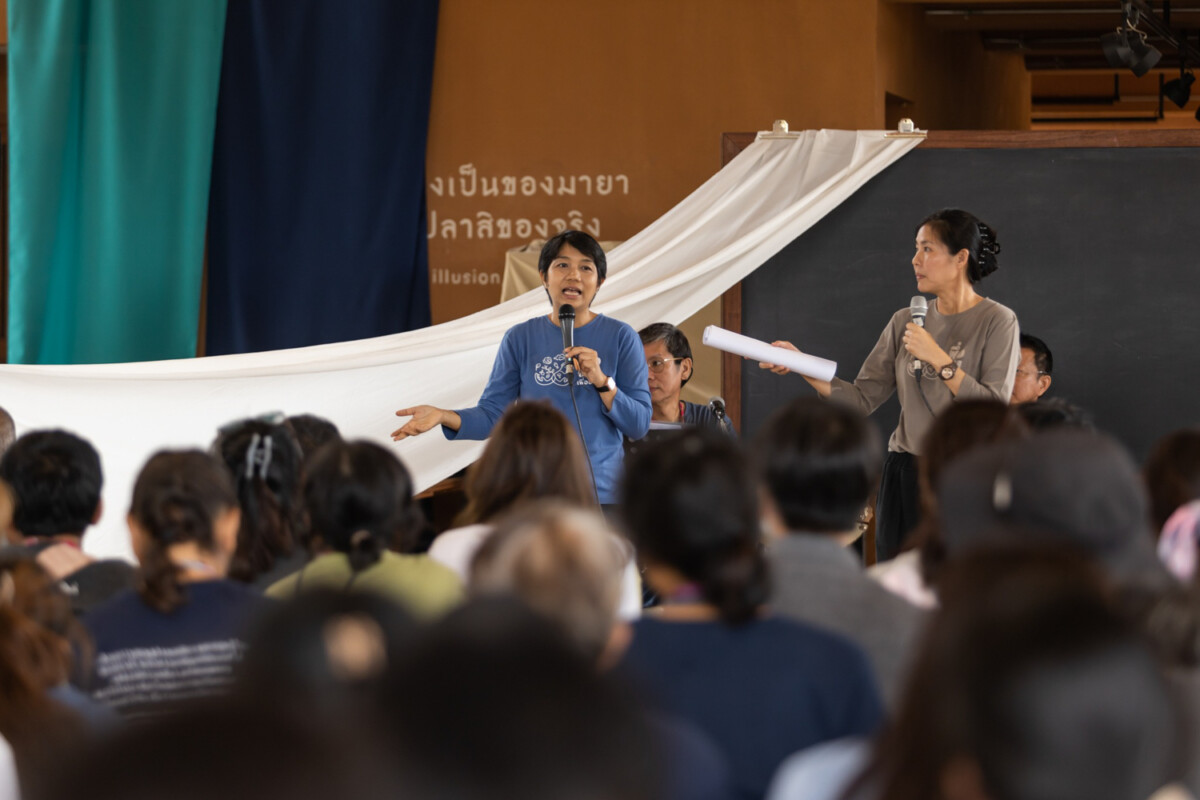
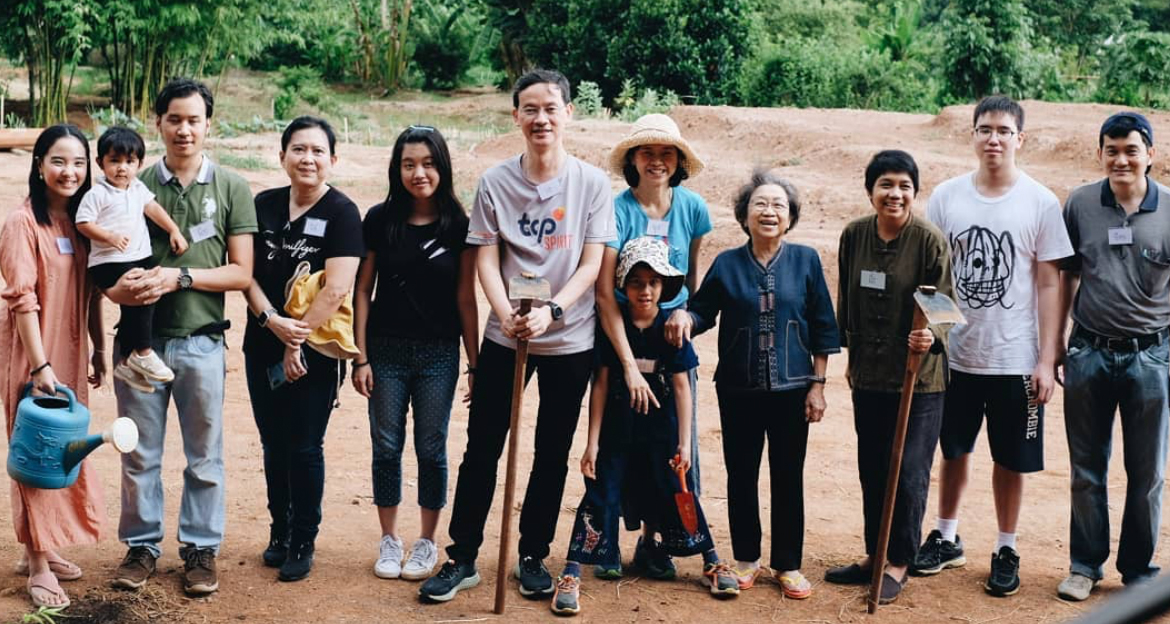
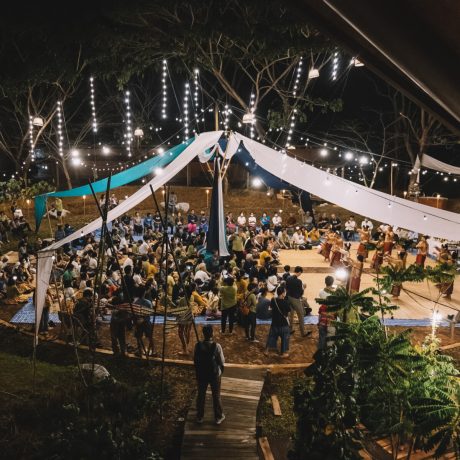
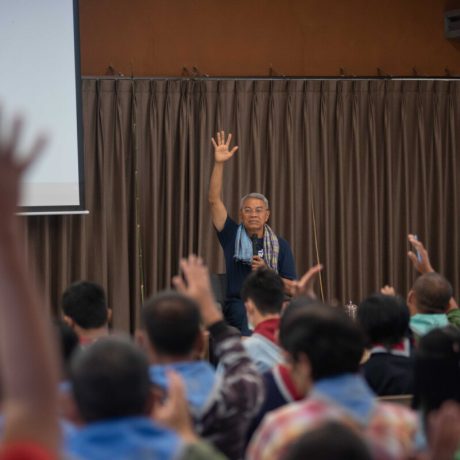
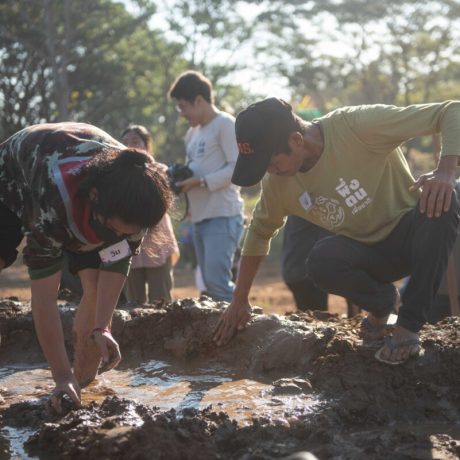
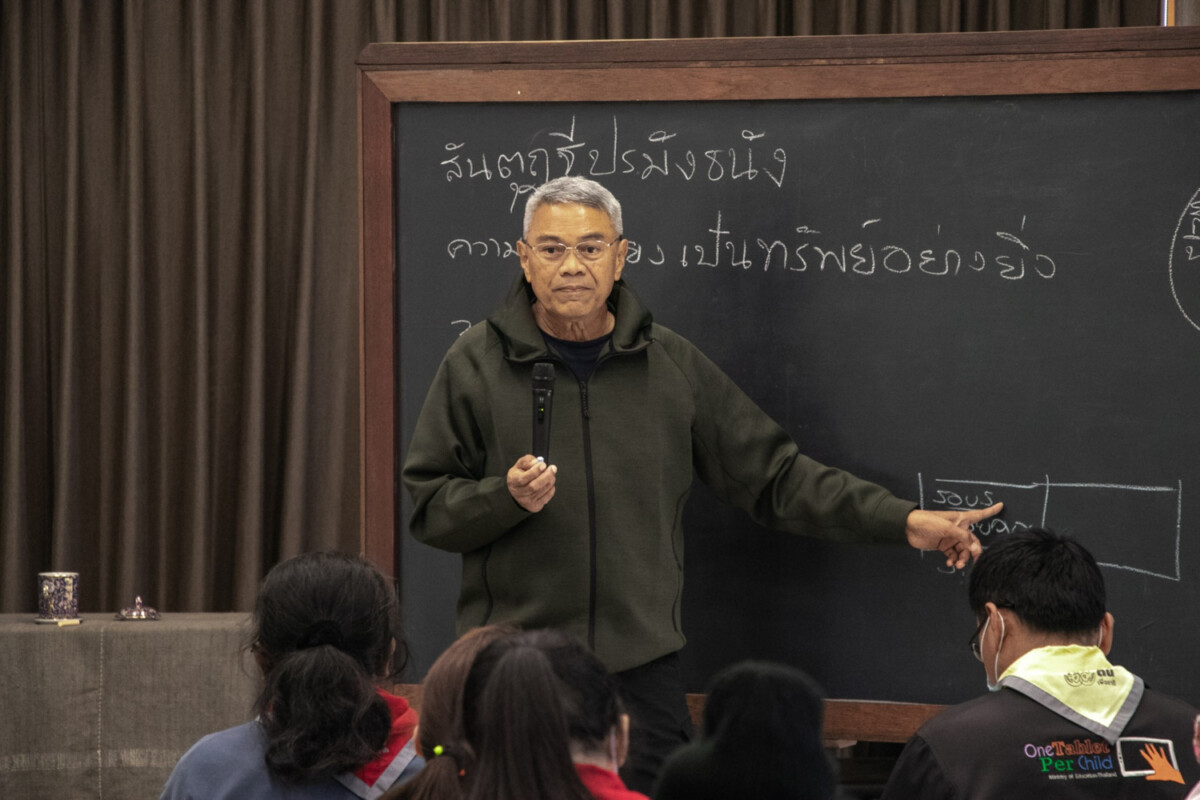
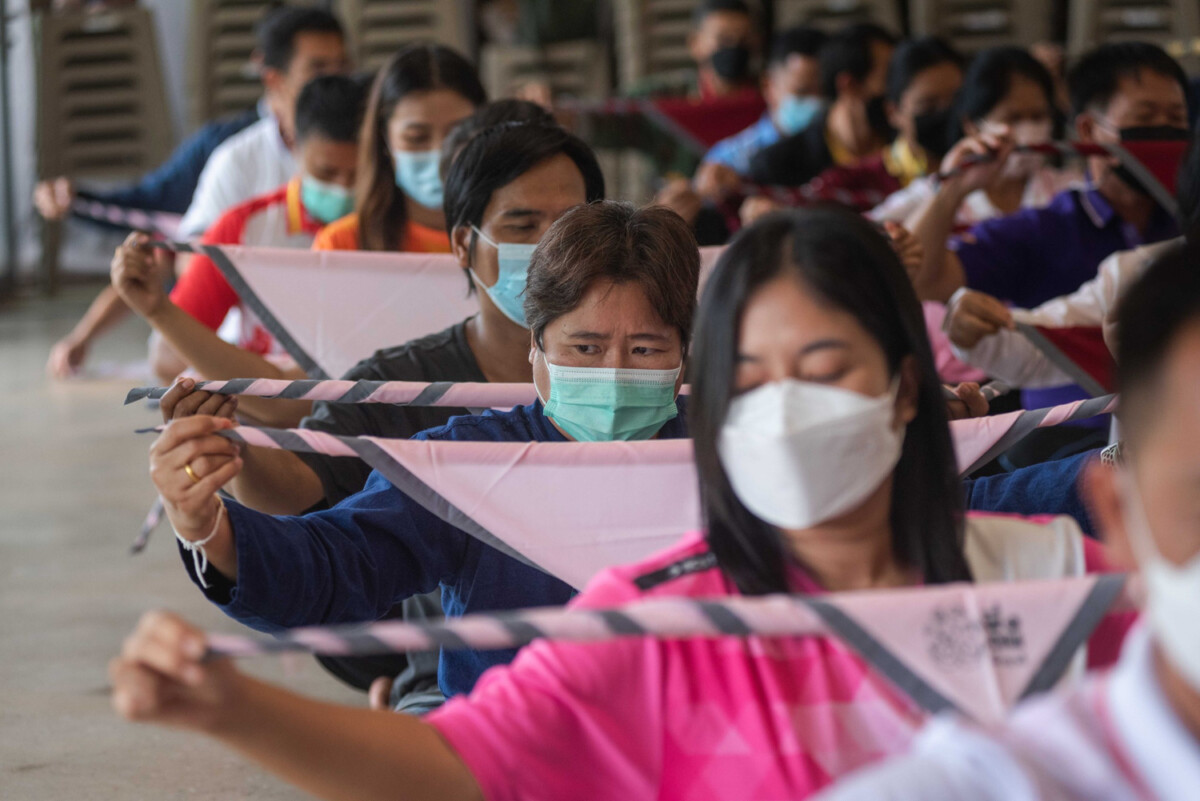
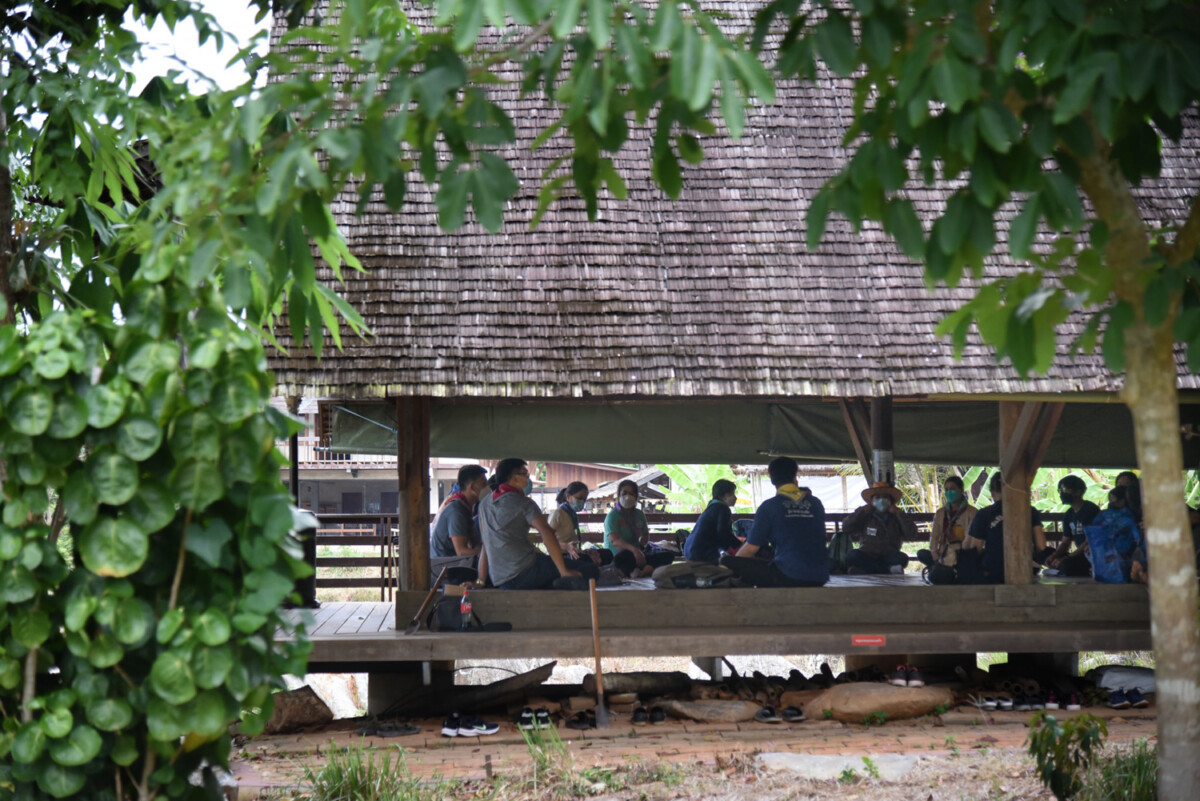
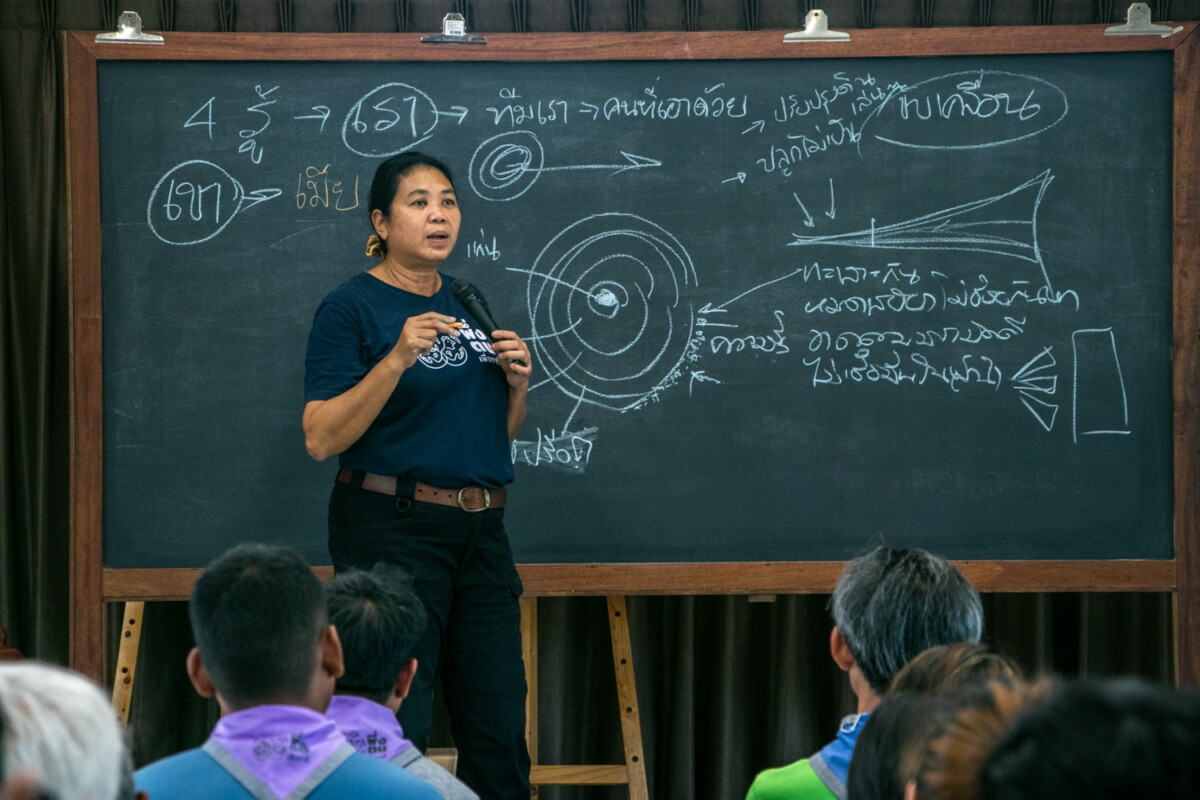
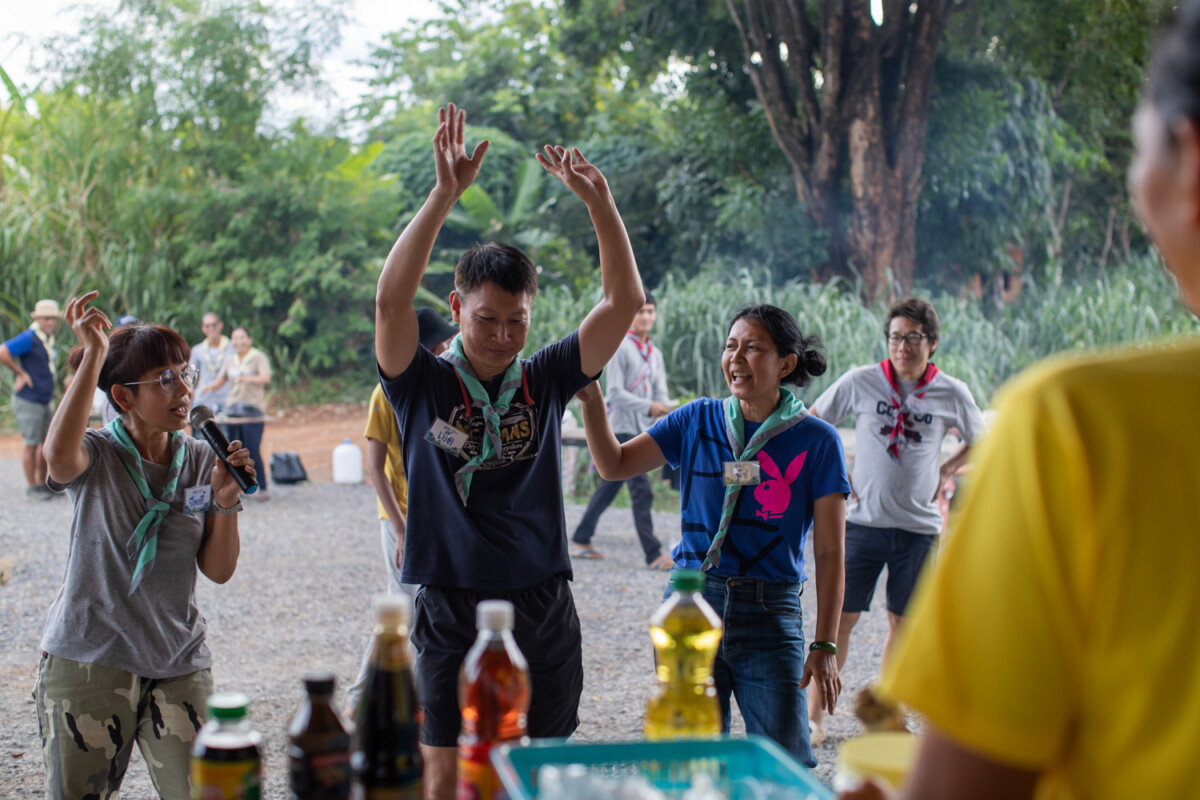
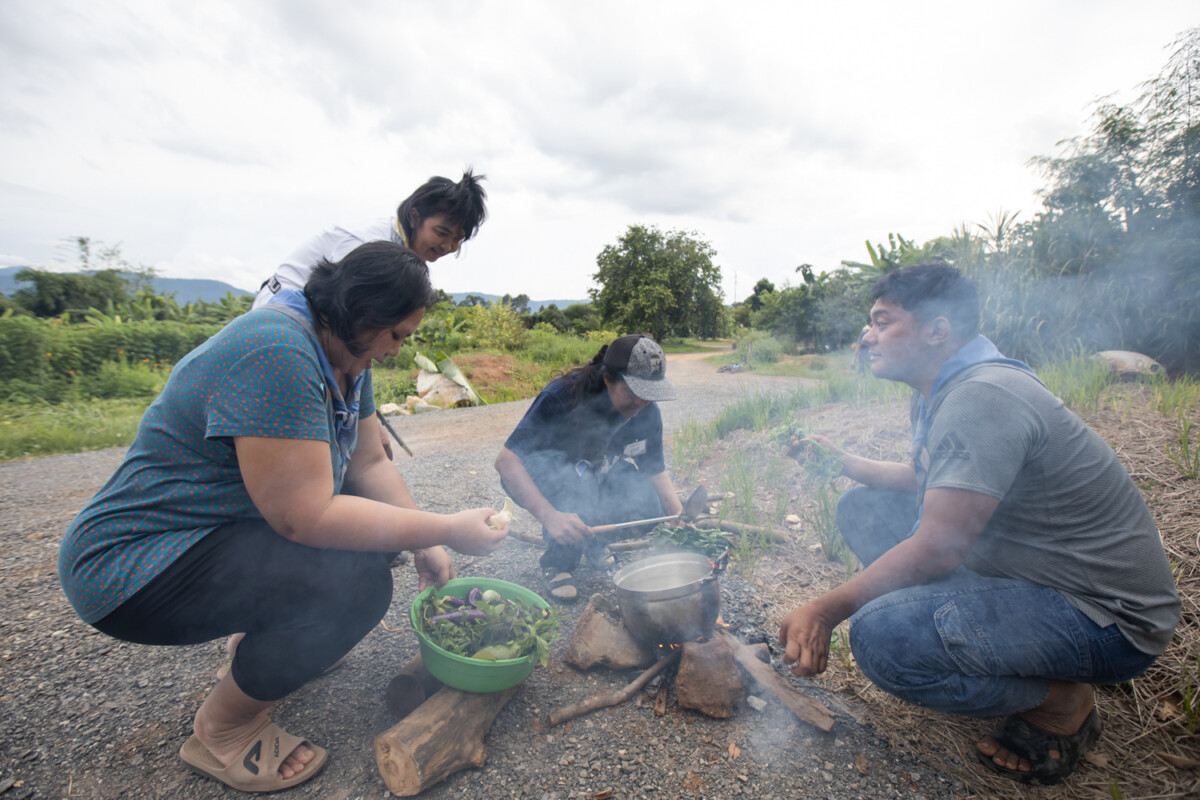
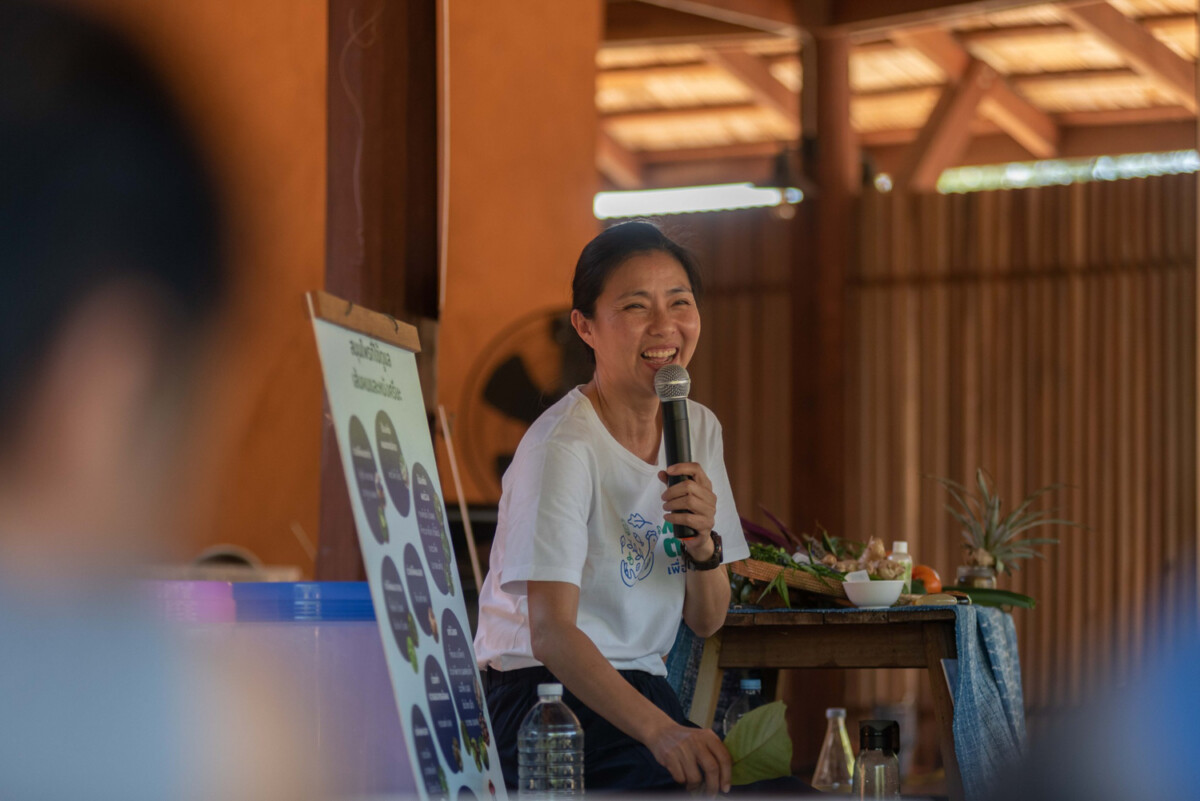
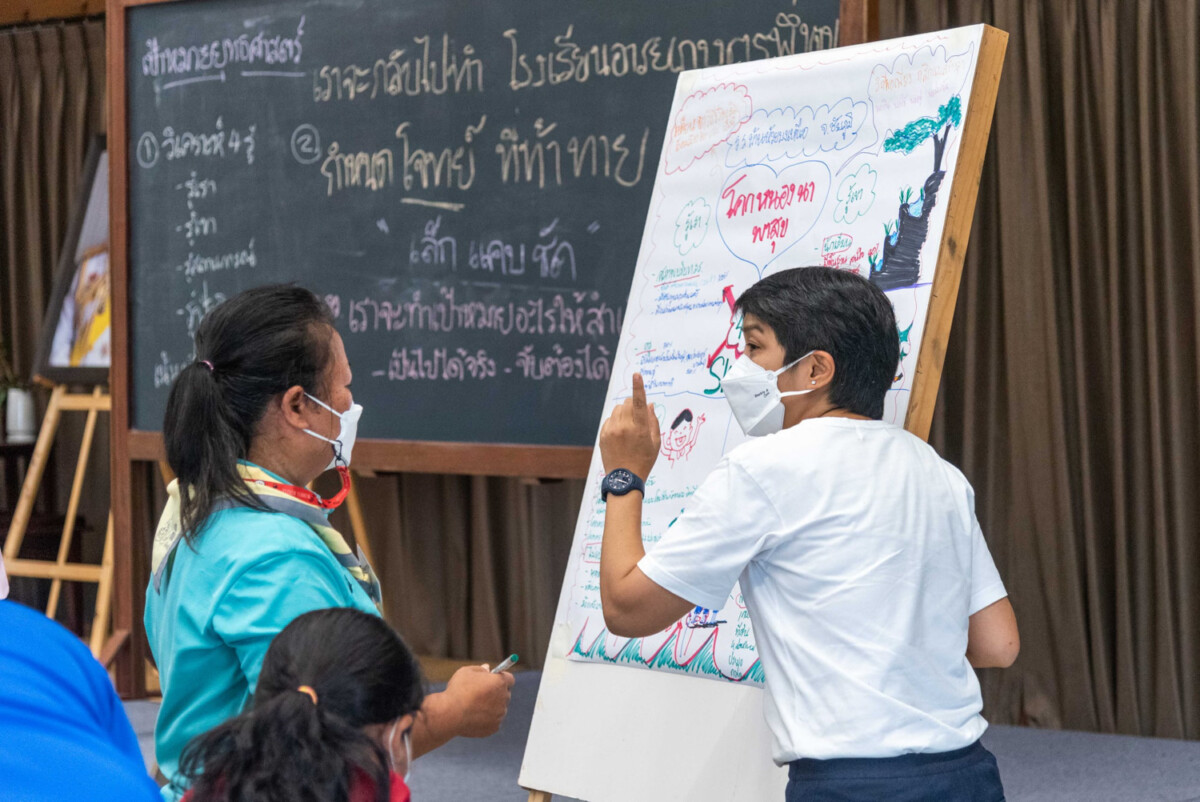
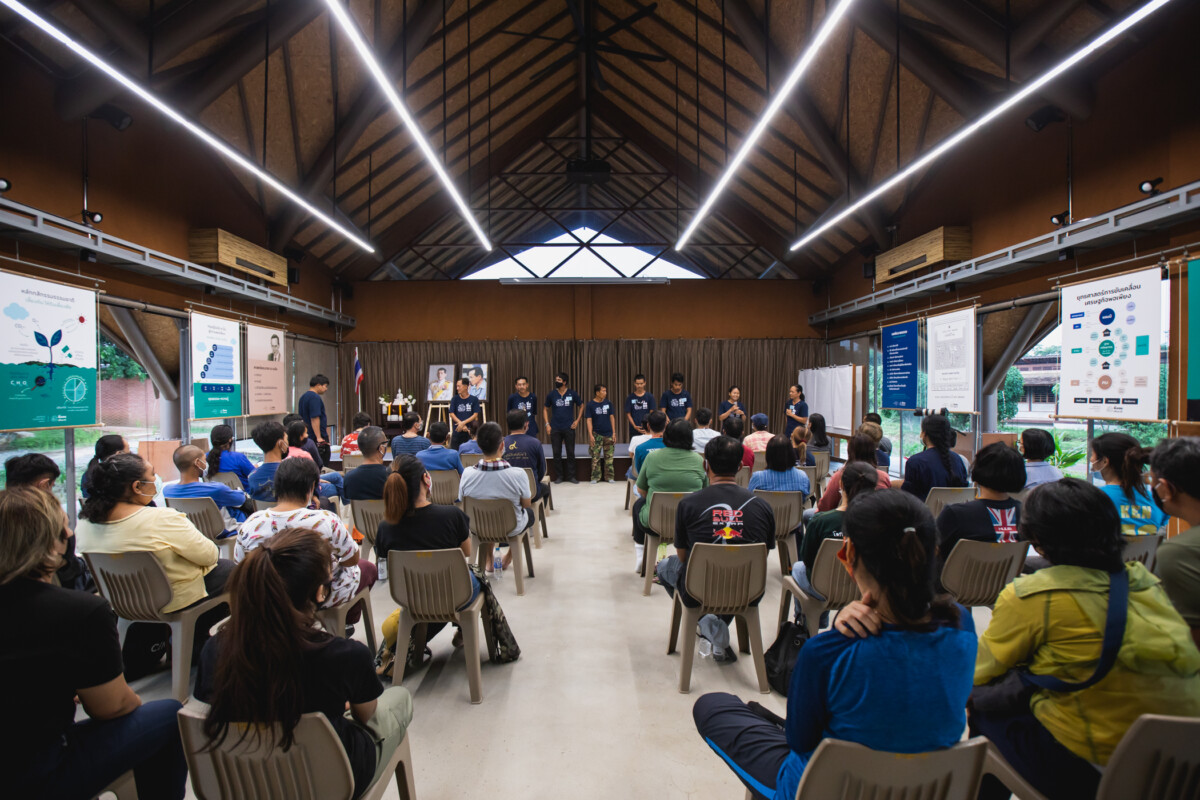
According to the objectives of the PANNAR Learning Center, which aims to disseminate the Sufficiency Economy philosophy of His Majesty King Rama IX, a new theory for sustainable recovery and development of the country, we have arranged training sessions on Sufficiency Economy. However, it’s not just about theoretical knowledge but also emphasizes hands-on practical implementation, which the PANNAR Leaning Center considers crucial.
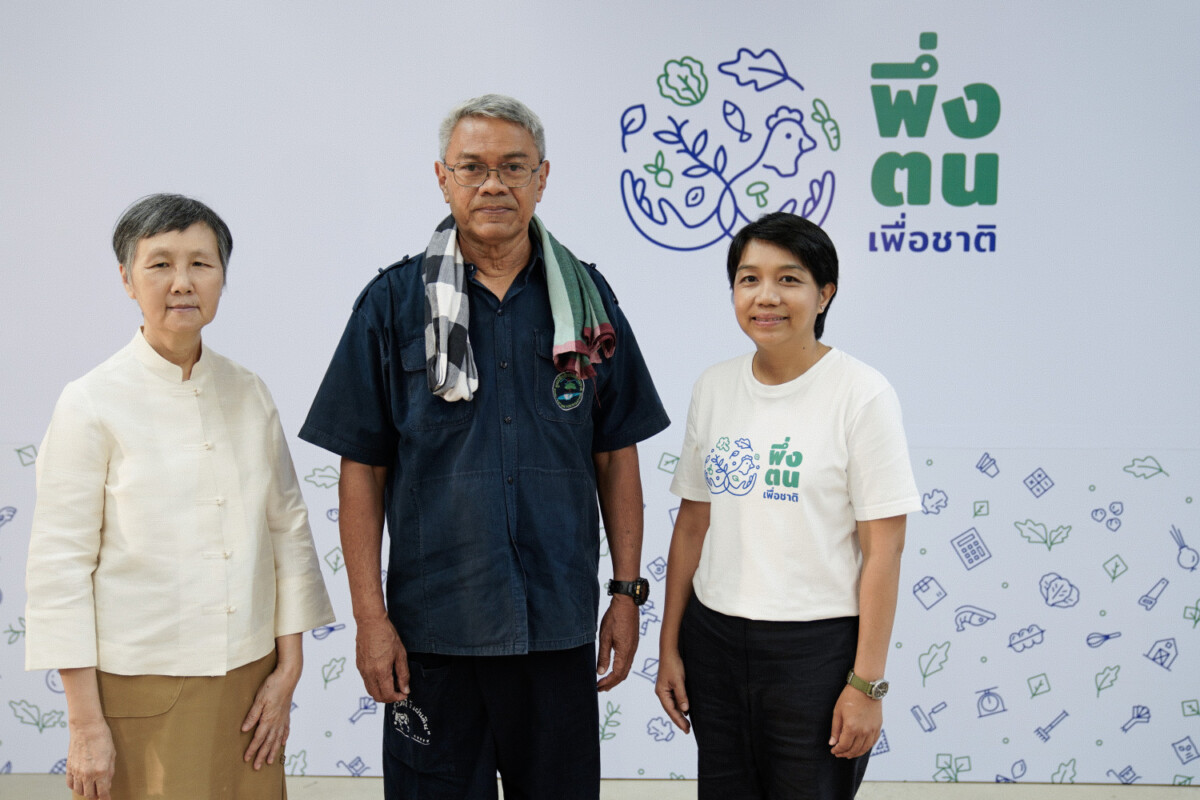
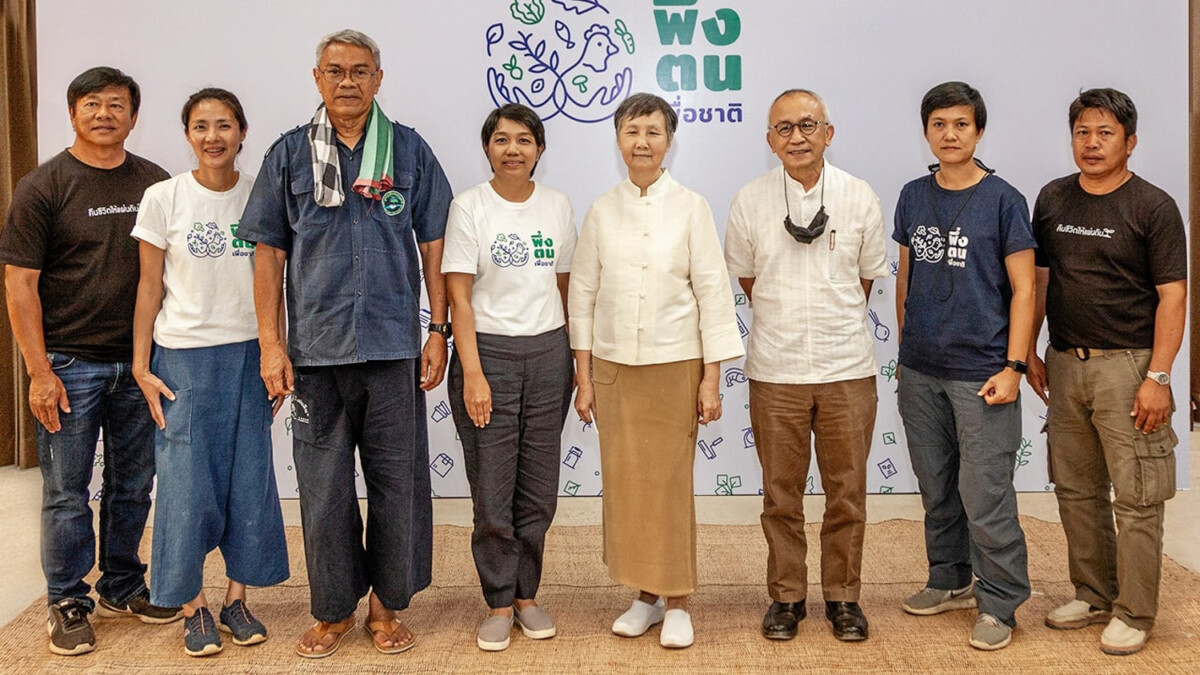
The training activities conducted at the PANNAR Leaning Center have been carried out and achieved success in a commendable manner. Examples include the ” Phueng Ton Phuea Chat” project and the “Araya Kaset x Phueng Ton Phuea Chat” project.
Background:
The “Pueng Ton Puea Chat” project, launched in 2020 by the Yoovidhya family, seeks to aid those impacted by the COVID-19 pandemic by providing support and mentorship to individuals interested in embracing the sufficiency economy model. It aims to foster self-reliance among people, offering it as a new way forward in life and provides a way for society to live happily on the basis of self-sufficiency and mutual support, with two key partners: the Ecological Agriculture Network and the Arsom Silp Institute, driving the project forward.
so that it can endure and survive in all crisis situations.
while preserving the roots, wisdom, and positive culture of the Thai people.
where the sufficiency economy system is deemed crucial evidence for the nation’s stability, strength, and sustainability.
Pueng Ton Puea Chat
The course curriculum is designed to be suitable for urban dwellers or those who have previously worked in urban areas, which may be different from the farming community. It spans a total of 15 days.
Learn the "Principles and Practices" according to the new Sufficiency Economy philosophy at the PANNAR Leaning Center, which takes 5 days.
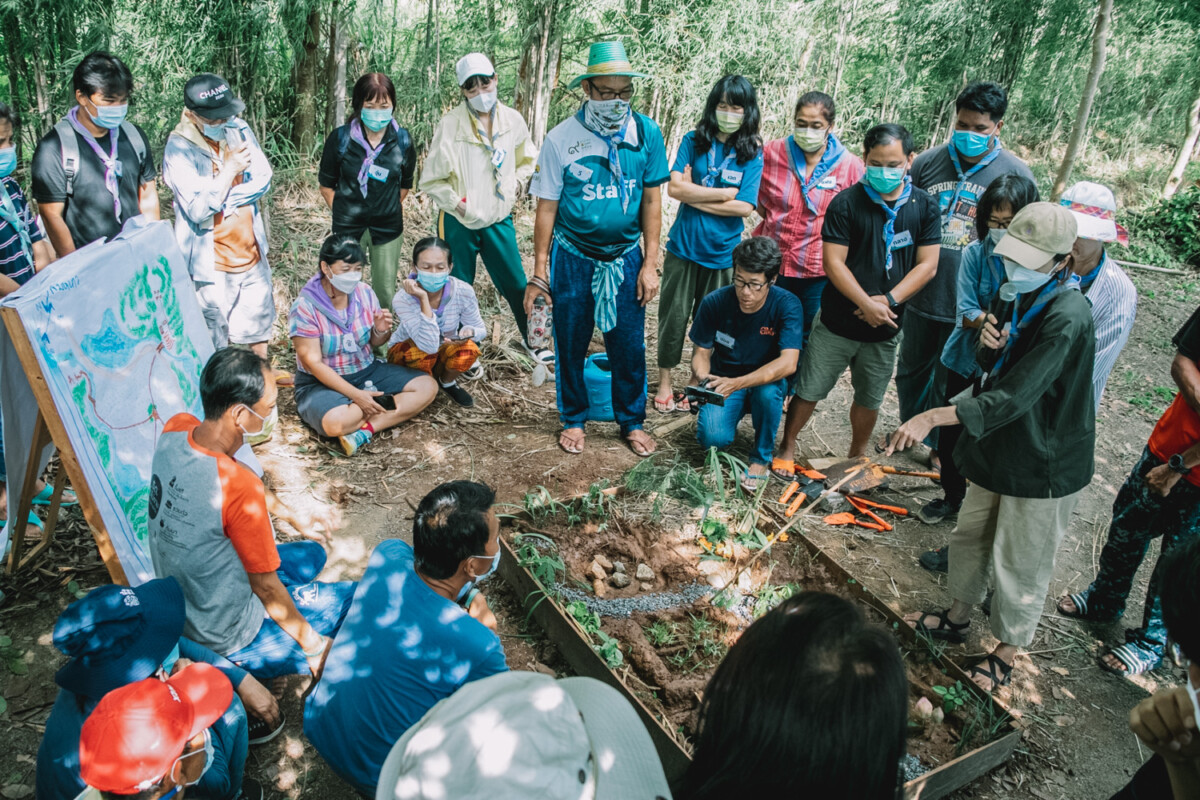
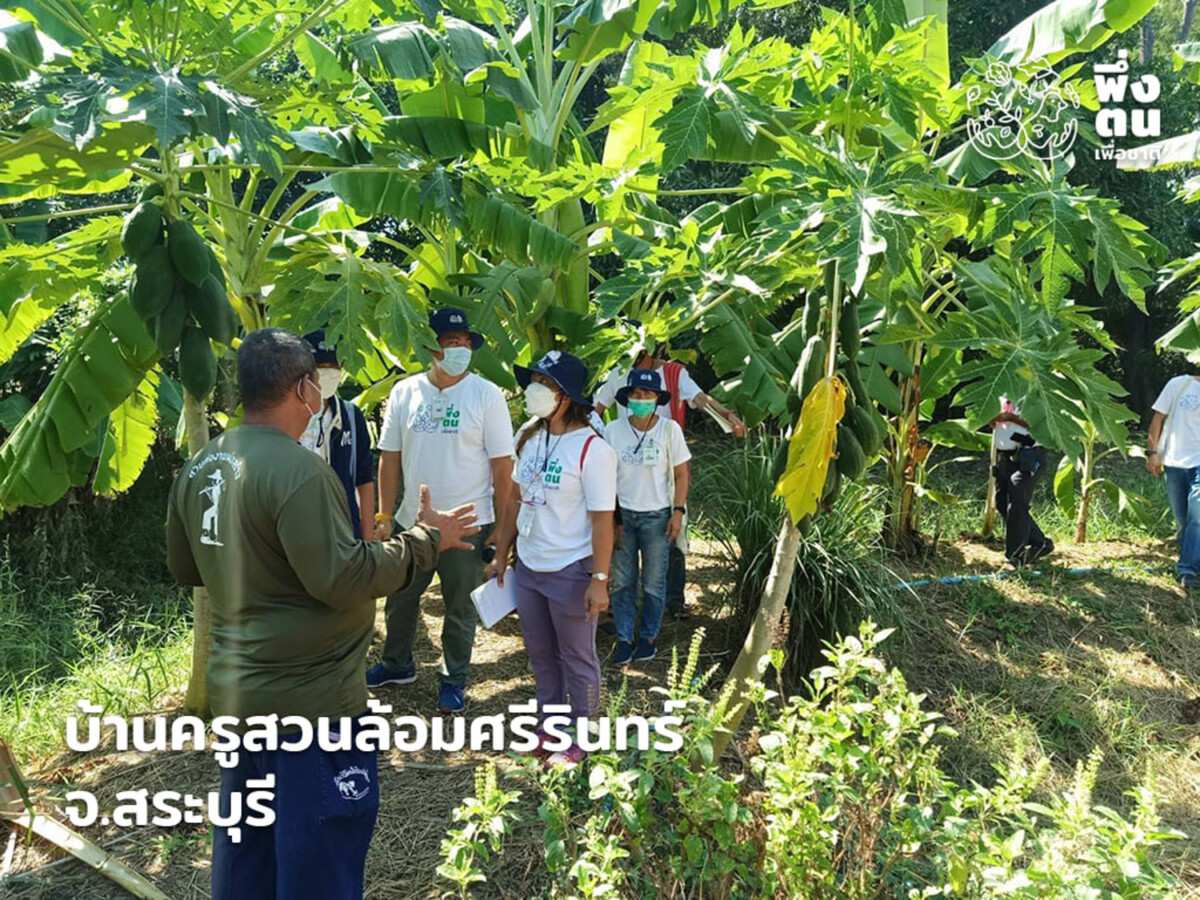
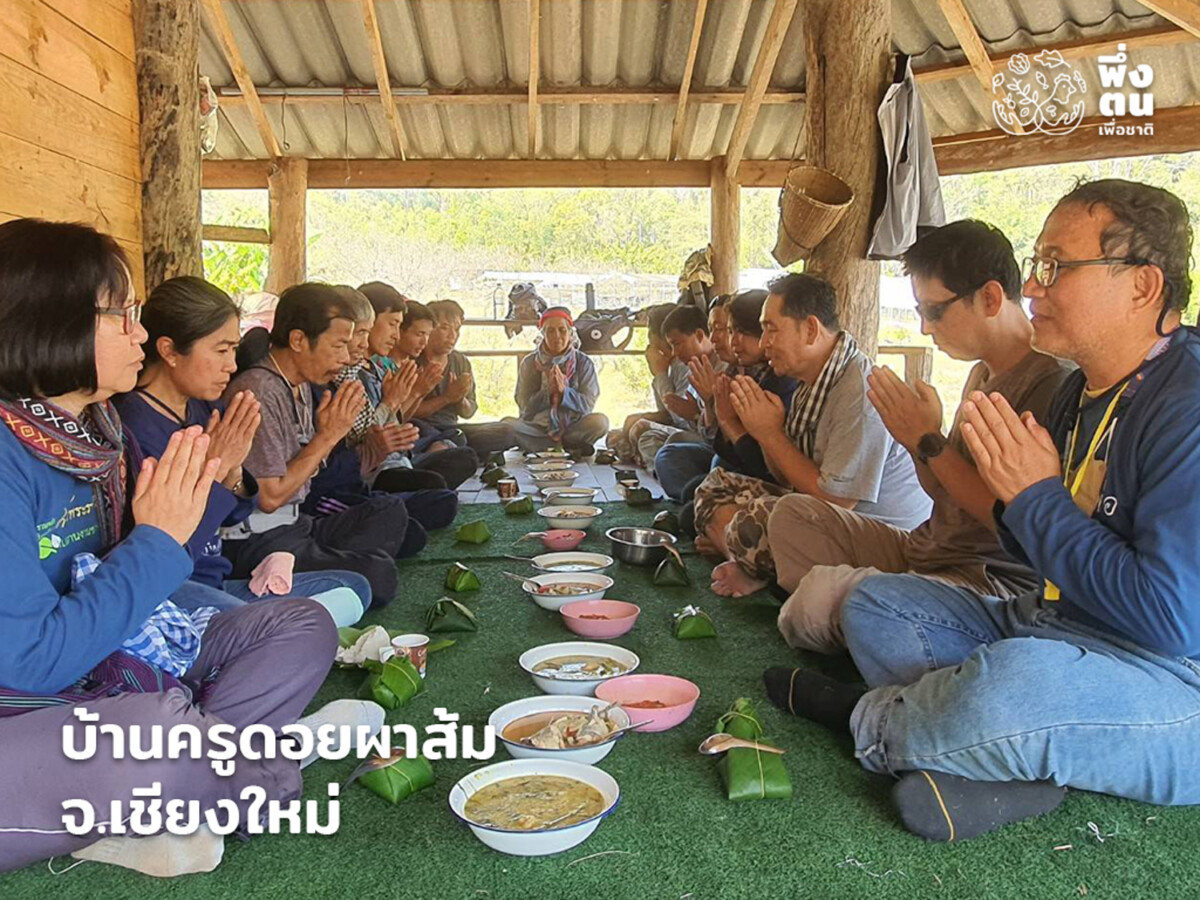
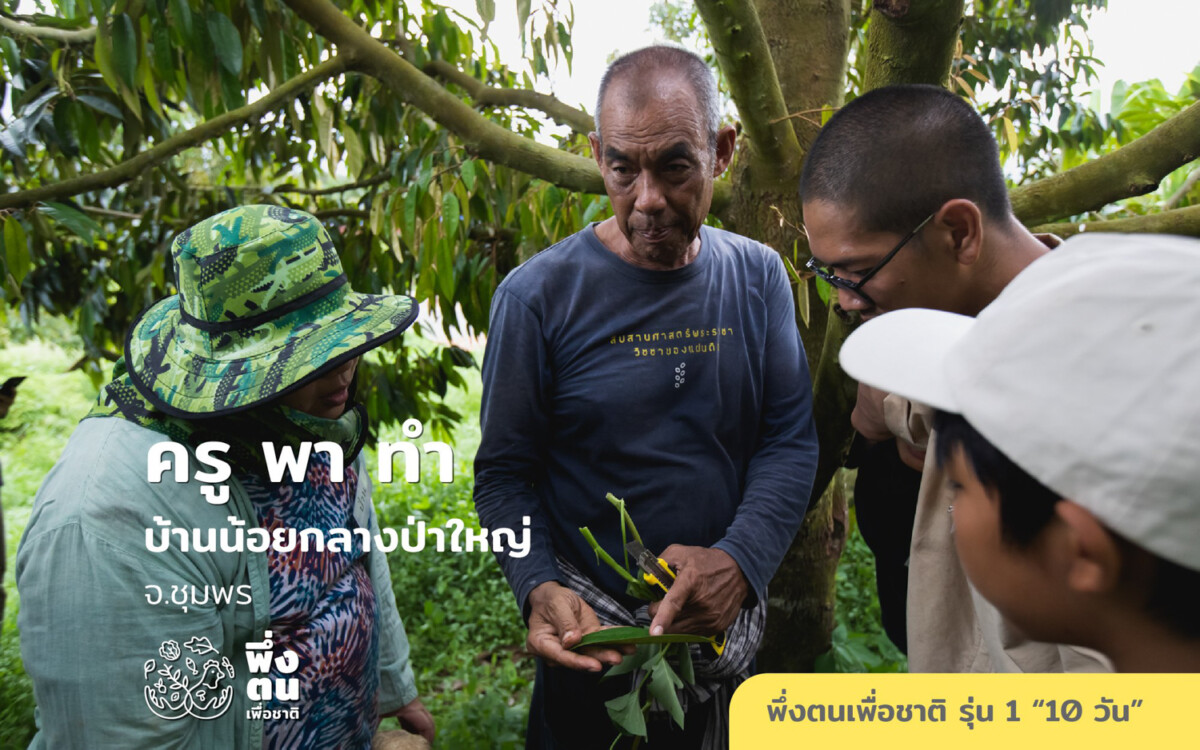
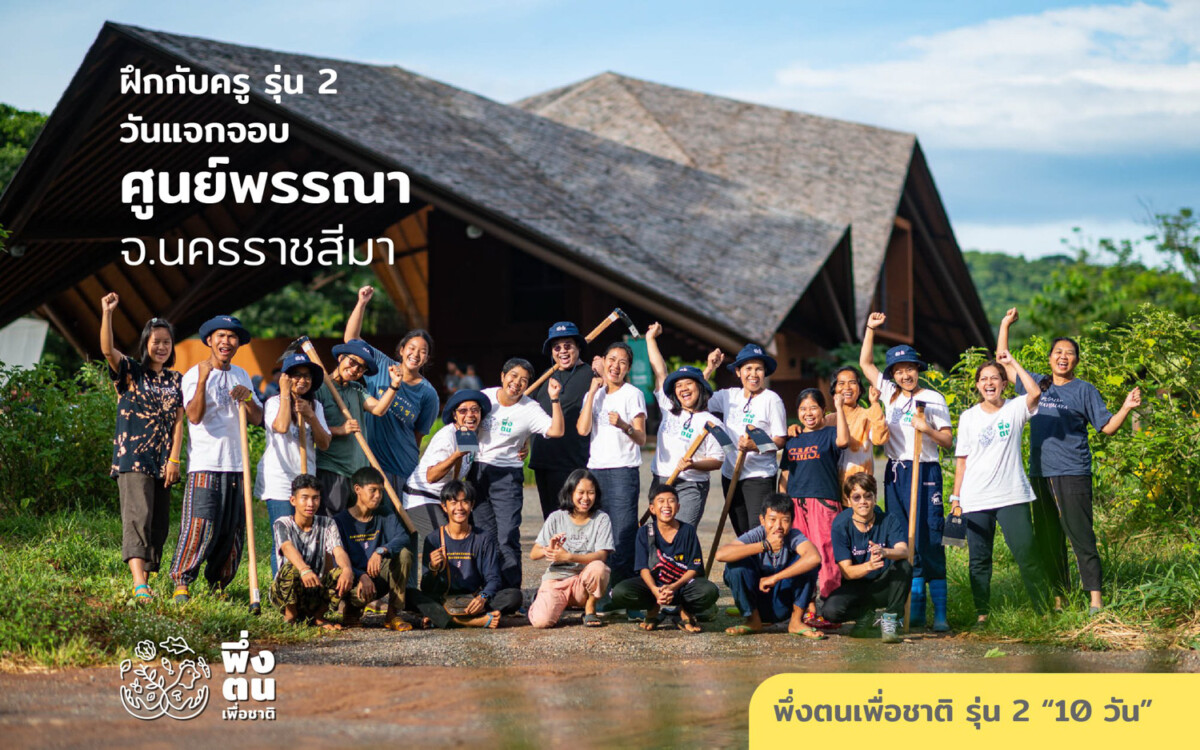
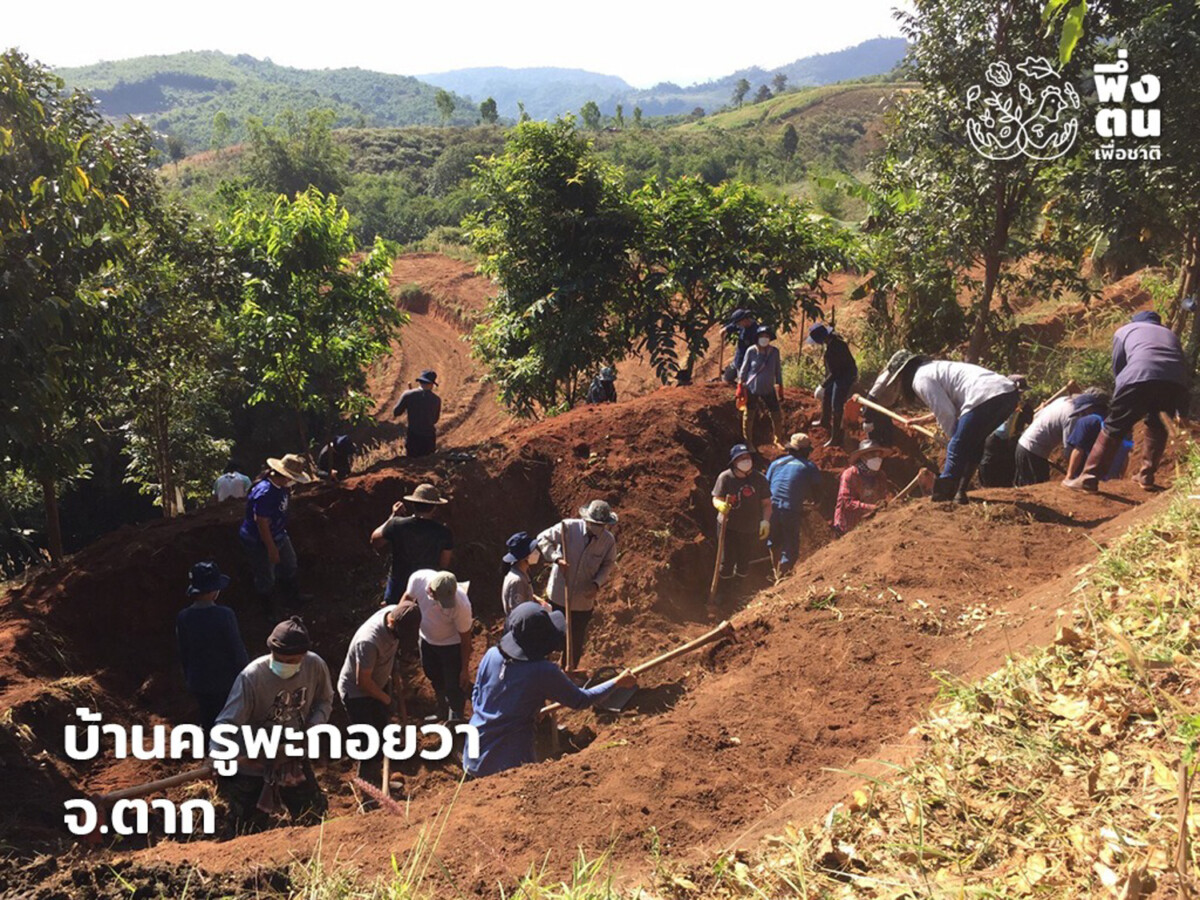
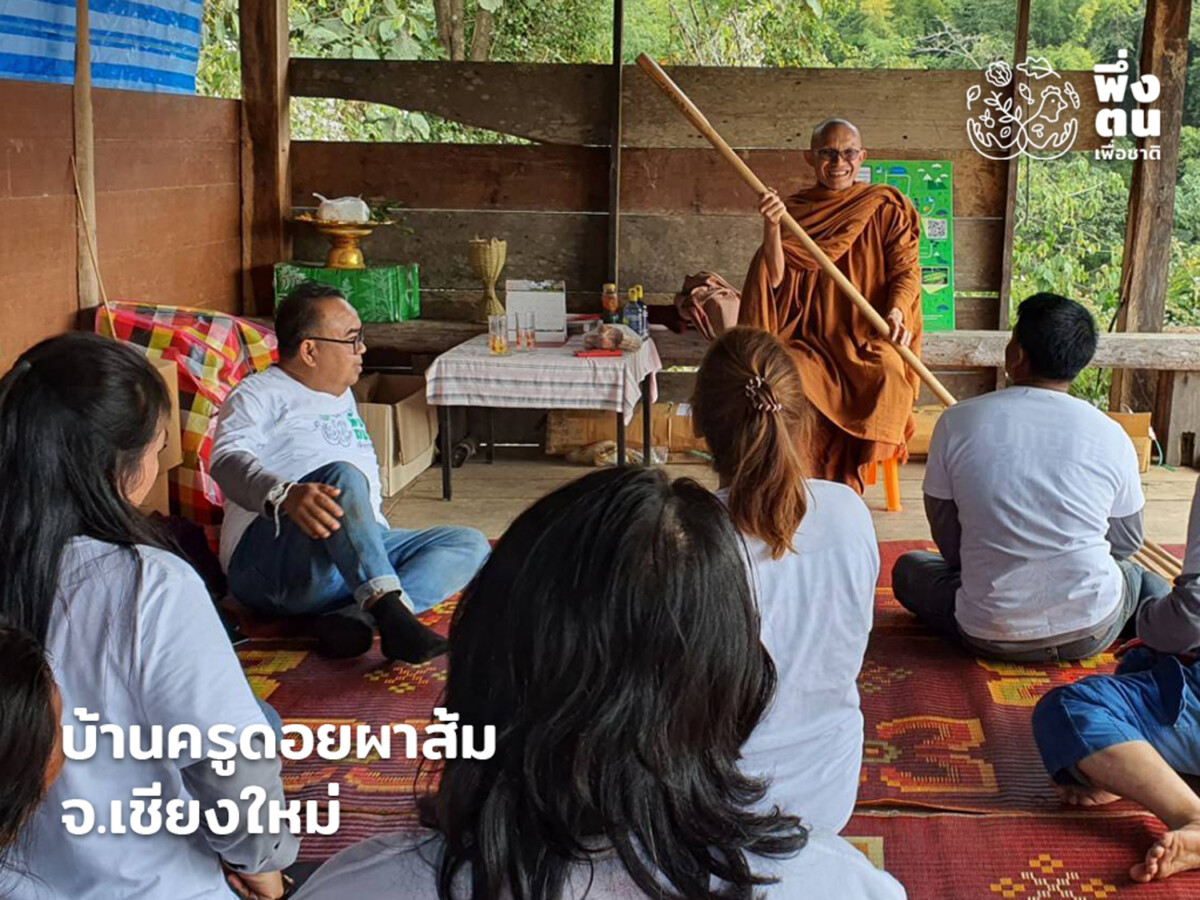
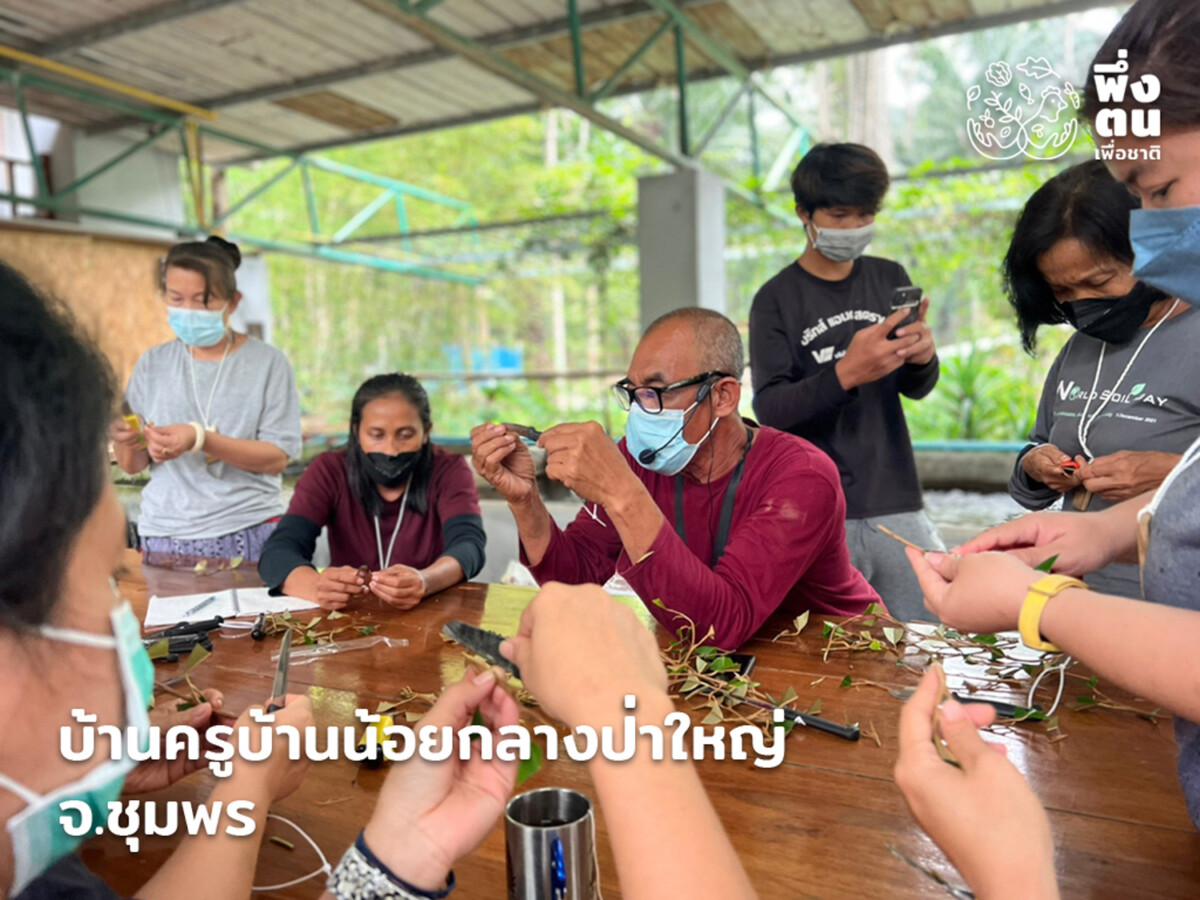
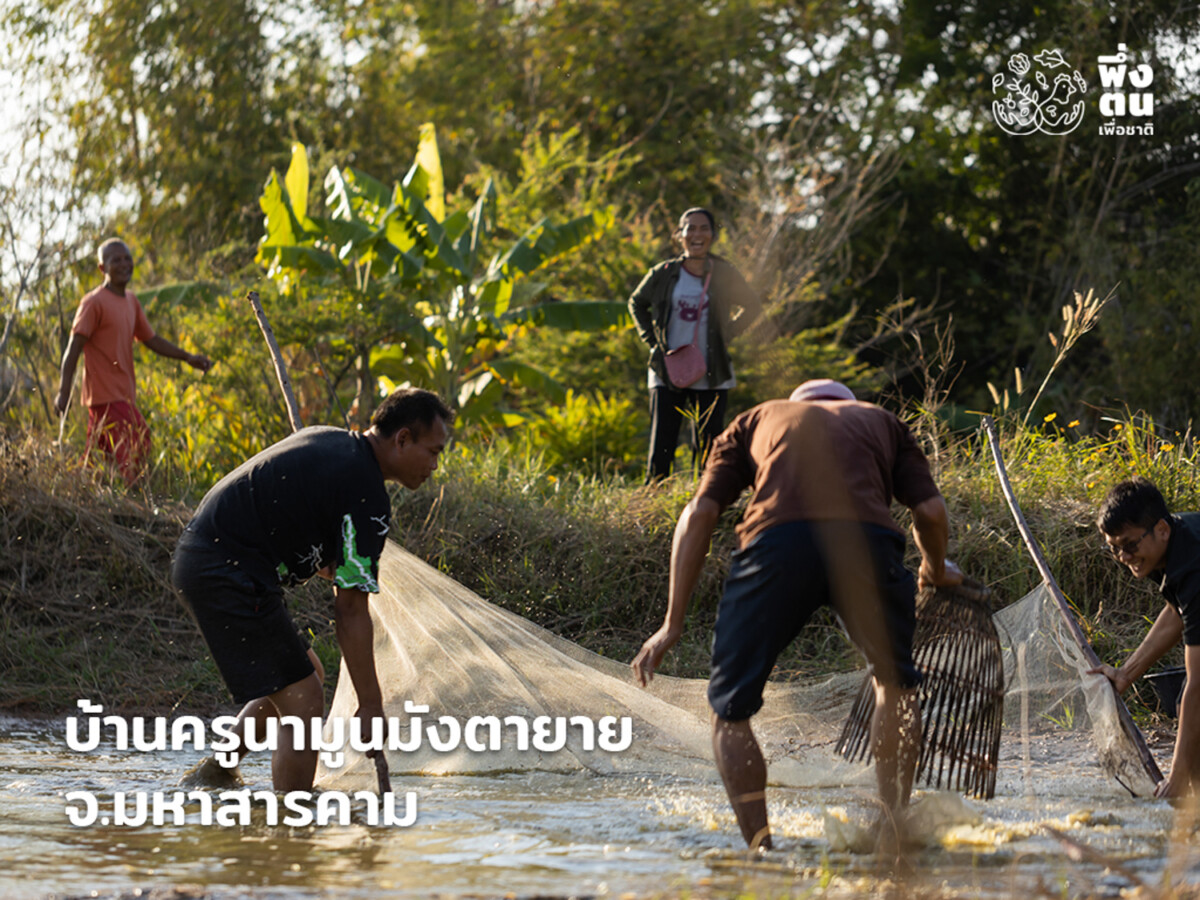
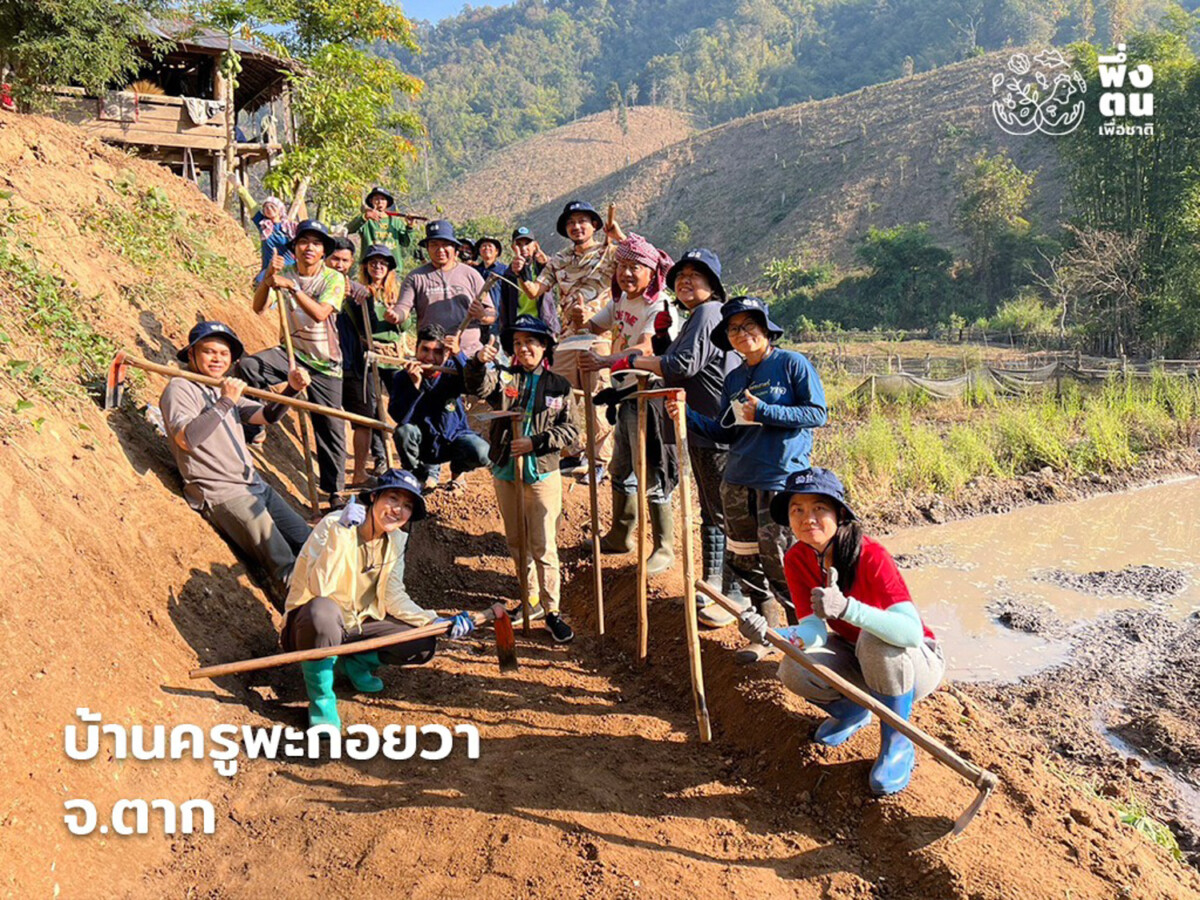
Hands-on Practice or Fieldwork at the Teacher's Home and in the Community, lasting 10 days. This involves learning from real-life experiences and engaging in community activities. (the teacher's home refers to the Ecological Agriculture Network in 8 provinces, including Saraburi, Nakhon Ratchasima, Maha Sarakham, Tak, Chiang Mai, Chiang Rai, Nakhon Si Thammarat, and Chumphon, which have been successful in community development through sufficiency economy principles.)